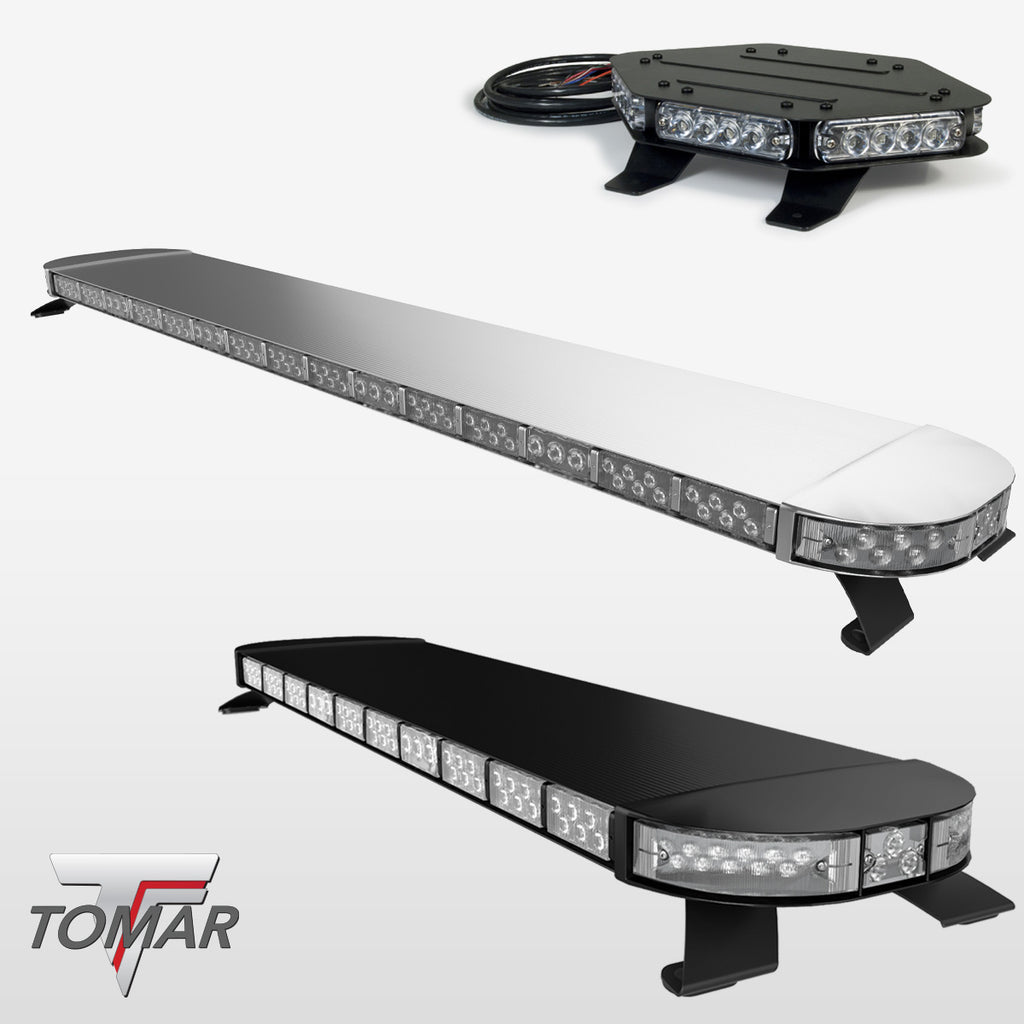
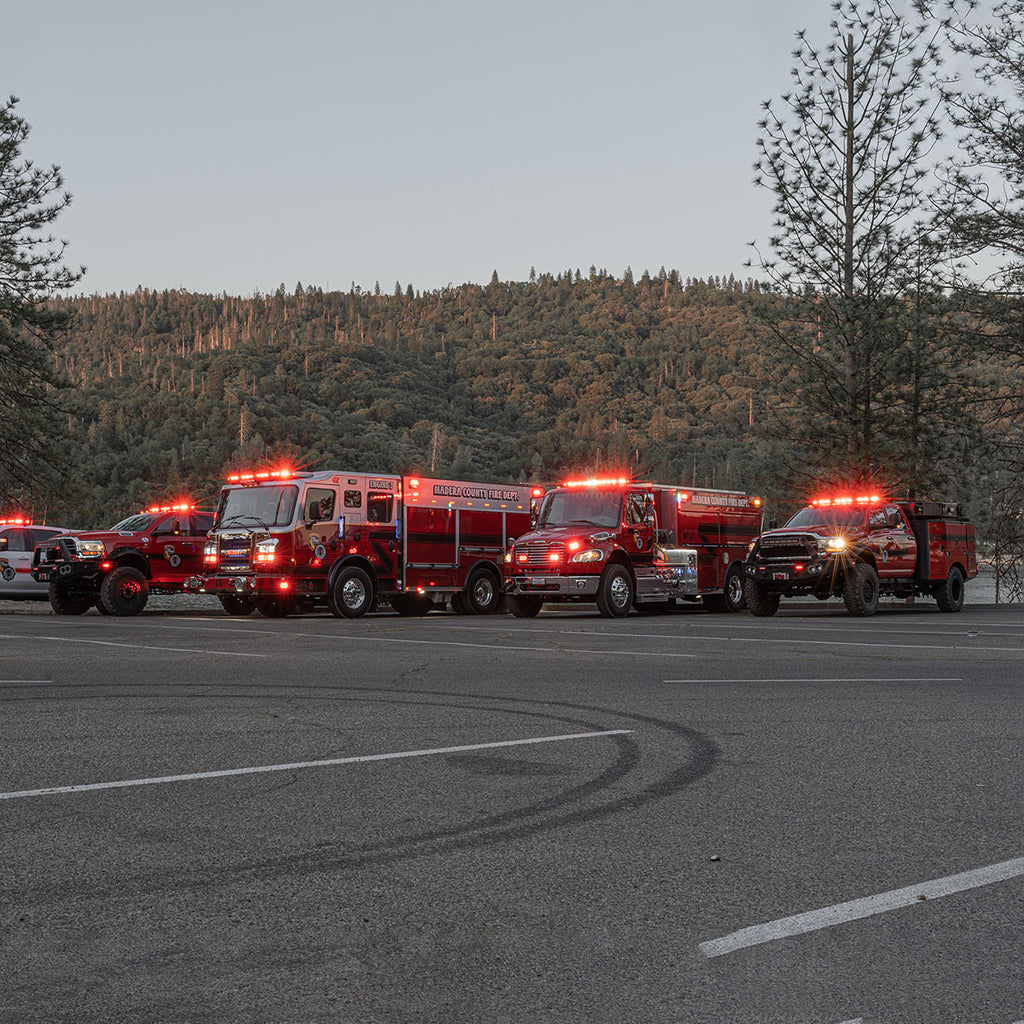
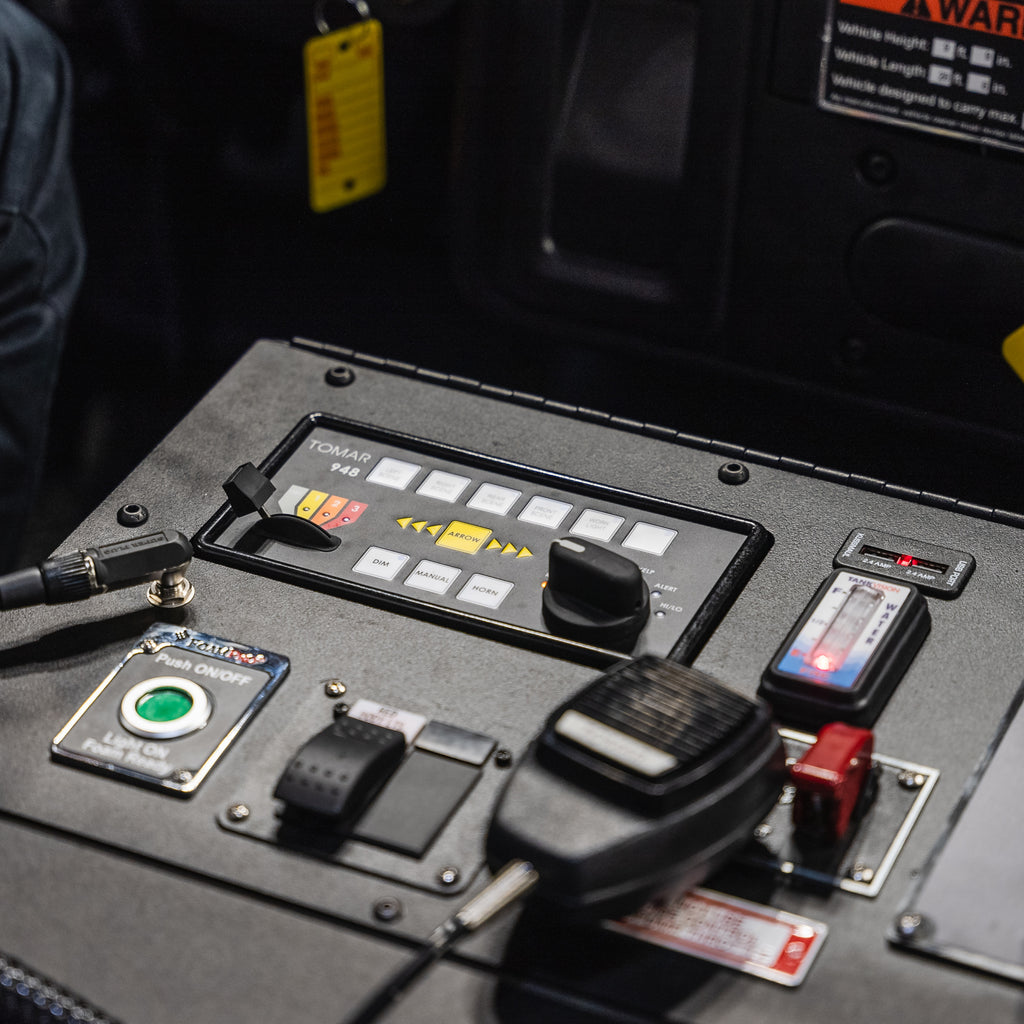
Why choosing the Right LED Lights for your vehicle can be Challenging.
Selecting the correct vehicle lighting is no longer as simple as choosing an LED light bar and color. Modern fleets operate across multiple environments, missions, and regulatory frameworks. A single vehicle may need to function as a high-speed response unit, a stationary work platform, and a visibility marker in low light or severe weather conditions.
When lighting is mismatched to the application, the consequences are real. Poor visibility increases accident risk. Overpowered lighting can create glare and confusion. Under-powered lighting may fail to alert motorists or support on scene operations. Inconsistent setups across a fleet complicate training, maintenance, and compliance.
Finding the right LED lighting setup requires more than product selection. It requires understanding how the signal communicates a message to the environment and how that message changes based on mission and location.
Identify Your Vehicle Type
Start with the platform. Vehicle type determines mounting locations, visibility angles, electrical capacity, and regulatory expectations.
Common vehicle categories include:
- Fire apparatus and EMS vehicles
- Law enforcement vehicles
- Tow and recovery trucks
- Utility and work trucks
- Wildland and off-road vehicles
- Search and rescue vehicles
Each vehicle type has different lighting priorities. Emergency response vehicles prioritize rapid recognition and right of way. Work trucks focus on marking a safe work zone. Off-road vehicles require adaptable lighting that performs beyond paved roadways.
Before selecting any product, clearly define the vehicle's intended role within the fleet.


Define the Mission and Operating Behavior
Next define how the vehicle is used during a typical shift. This step is often overlooked but has the greatest impact on lighting effectiveness.
Ask the following:
- Is the vehicle primarily moving or stationary
- Does it operate in traffic at speed or at controlled job sites
- Are warning lights active briefly or for long periods of time
- Is scene or warning lighting required for hands on work
A vehicle that spends most of its time parked on scene requires very different lighting behavior than a vehicle focused on response and transport. LED warning lights should support the mission rather than work against it.
Evaluate the Operating Environment
Environment determines how a signal is perceived.
In high-speed environments the signal must be recognized quickly and from a distance. In close range work steady illumination becomes more important. The environment dictates both intensity and distribution.
Key Considerations:
- Urban streets versus rural highways
- Daytime visibility versus nighttime operations
- Weather conditions such as rain, dust, fog or smoke
- Proximity to workers, pedestrians or patients
The End Goal is to Find the Best Lighting Solution for the End User
The best solution for the end user is one that delivers clarity without complexity. Effective lighting systems are designed around how operators work, not how products look in a catalog.
An ideal solution prioritizes:
- Clear warning visibility when approaching or illuminating a scene
- Smooth transitions between response and on scene blocking or scene illumination modes
- Minimal light for operators working near the vehicle
- Simplified controls that are easy to understand under stress
Integrated lighting systems that combine multiple functions into fewer components typically provide the best long-term outcome. They reduce installation time, simplify training, and lower total cost of ownership.
Industry Specific LED Lighting Considerations
Fire and EMS
Fire and EMS vehicles operate in dynamic environments that change rapidly from response to scene operations.
What are some key considerations for fire and EMS lighting:
- High intensity warning during response
- Controlled lighting for patient care and equipment staging
- Compliance with fire service standards
Emergency/Warning LED Lighting must support visibility without overwhelming responders or patients once on scene.

Towing and Recovery
Tow operators work in active traffic and often at night.
Key considerations:
- Long range amber warning visibility
- Reduced glare during hookup and loading
- Perimeter lighting around beds and booms
Lighting should protect the operator while clearly communicating a hazard to approaching traffic.

Utility and Work Trucks
Work trucks and fleet vehicles often remain stationary for extended periods.
Key considerations:
- Consistent amber warning output
- Clearly defined work zone lighting
- Durability for daily operation
Lighting should mark the vehicle and illuminate the task area without unnecessary complexity.

Wildland Fire and Search and Rescue
These vehicles operate far beyond controlled roadways.
Key considerations:
- Multi-purpose lighting for warning and illumination navigation (either amber or white)
- Rugged construction for vibration and debris
- Flexible control for changing conditions
Adaptability matters more than specialization in these environments.

What Are Some Of The Industry Lighting Standards That I Need to be Aware of?
Lighting standards exist to ensure signals are recognizable, predictable, and effective. Compliance is essential for safety and liability protection.
Common LED Lighting Standards for Vehicle Lighting:
- SAE performance standards for warning lights
- NFPA requirements for fire apparatus
- State vehicle codes such as California Title 13
- DOT and MUTCD guidance for service vehicles
Meeting these standards ensures lighting behaves consistently across fleets and jurisdictions.
Department and OEM Lighting Standards
Many departments and OEMs maintain their own lighting specifications. These standards often go beyond national requirements to create consistency across vehicle builds.
Department or OEM standards may define:
- Approved colors and mounting locations
- Control logic and switching behavior
- Wiring practices and connector types
Selecting LED lighting that aligns with these internal standards reduces installation errors, simplifies training, and improves long term serviceability.
Mapping the Lights to the Vehicle
Once mission and standards are defined, lighting should be mapped intentionally across the vehicle.
Where should warning lights be mounted for 360-degree visibility?
A complete 360-degree LED lighting map typically includes:
- Forward warning lighting for approaching traffic
- Rear warning lighting for scene protection
- Side lighting for 360-degree visibility
- Scene or task lighting where work occurs
Every light should have a purpose. If a light does not support a specific use case, it should not be added.
Common Use Cases and Configurations
Typical use cases include:
- Emergency response and patient transport
- Roadside recovery and traffic control
- Utility maintenance and construction zones
- Wildland fire suppression
- Search and rescue operations
Each use case benefits from lighting systems that adapt without requiring additional hardware or complicated controls.
Purchasing Checklist for Confident Decisions
Use this checklist before selecting LED lightbars or auxiliary LED lights for your vehicle:
- Vehicle type and platform defined
- Primary and secondary mission identified
- Operating environment evaluated
- Applicable industry standards reviewed
- Department or OEM standards confirmed
- Lighting mapped for forward rear and side coverage
- Controls designed for operator simplicity
- Products selected for durability and serviceability
Why TOMAR
TOMAR Electronics designs LED lighting solutions around real world use rather than assumptions. The focus is on integration, reliability, and long term performance.
TOMAR LED lighting solutions are built to:
- Support multiple functions within a single system
- Reduce wiring and component complexity
- Meet or exceed applicable standards
- Perform consistently in demanding environments
This approach allows fleets and OEMs to standardize LED lighting set ups across vehicles while maintaining flexibility for different missions.
Resources to Support Better Lighting Decisions
Planning tools and technical resources make a measurable difference in build quality.
Valuable resources include:
- Application specific product guides
- Industry standards documentation
- Vehicle build specifications
- Manufacturer application engineering support
Using these resources early helps prevent rework and ensures the lighting system performs as intended.
Conclusion Build LED Lighting Solutions With a Purpose
Finding the right vehicle lighting setup is not about adding more lights. It is about matching the signal to the message. When lighting aligns with vehicle type, mission, environment, and standards, it becomes a safety tool rather than a complication.
By following a structured approach, mapping lighting intentionally, and selecting integrated solutions designed for real world use, fleets can build vehicles that communicate clearly and operate safely in every condition.
The right lighting solution does more than illuminate a vehicle. It supports the people who rely on it when conditions are at their most demanding.