When comparing spot lights and scene lights, many buyers start and stop with lumen ratings. Lumens measure the total amount of light emitted from a source, but they do not explain how that light is used. Two lamps with the same lumen output can perform very differently in real world applications.
Lumens do not account for beam shape, light distribution, or how effectively optics direct light onto a working area. A high lumen lamp can waste a significant portion of its output by scattering light outside the usable zone. This results in glare, shadows, and poor task visibility even though the specification sheet looks impressive.
For scene lighting and spot LED lighting, what matters is not how much light is produced, but how much light reaches the ground, equipment, or work area where it is needed.
Understanding LUX and Why It Is a Better Performance Metric
LUX measures illuminance, or how much light falls on a specific surface area. Unlike lumens, LUX tells you how bright a surface actually appears at a given distance. This makes it a far more meaningful metric for evaluating spot lights and scene lights.
A properly designed lamp with disciplined optics can deliver higher LUX at the target area even with lower total lumens. This is because the light is focused and controlled rather than scattered.
Key advantages of using LUX measurements include
- Direct correlation to usable visibility
- Accurate comparison of beam effectiveness
- Clear understanding of performance at distance
- Reduced reliance on inflated lumen claims
For operators working at night, higher LUX on the ground translates directly to better depth perception, reduced fatigue, and safer operations.
Optics Are What Turn Lumens Into Usable Light
The role of optics is often underestimated in lighting performance. Optics are responsible for shaping, focusing, and controlling light output. This is sometimes described as disciplining the light.
Without effective optics, a lamp may emit a large amount of light but fail to deliver meaningful illumination where it matters. Poor optical control leads to
- Excessive spill light
- Increased glare
- Uneven illumination
- Reduced effective range
Well-engineered optics focus light into a defined beam pattern that maximizes LUX in the intended work area. This is especially critical for scene lights that must illuminate wide areas evenly and for spotlights that must project light at distance without wasting output.
Why LUX Is Critical for Scene Lighting Applications
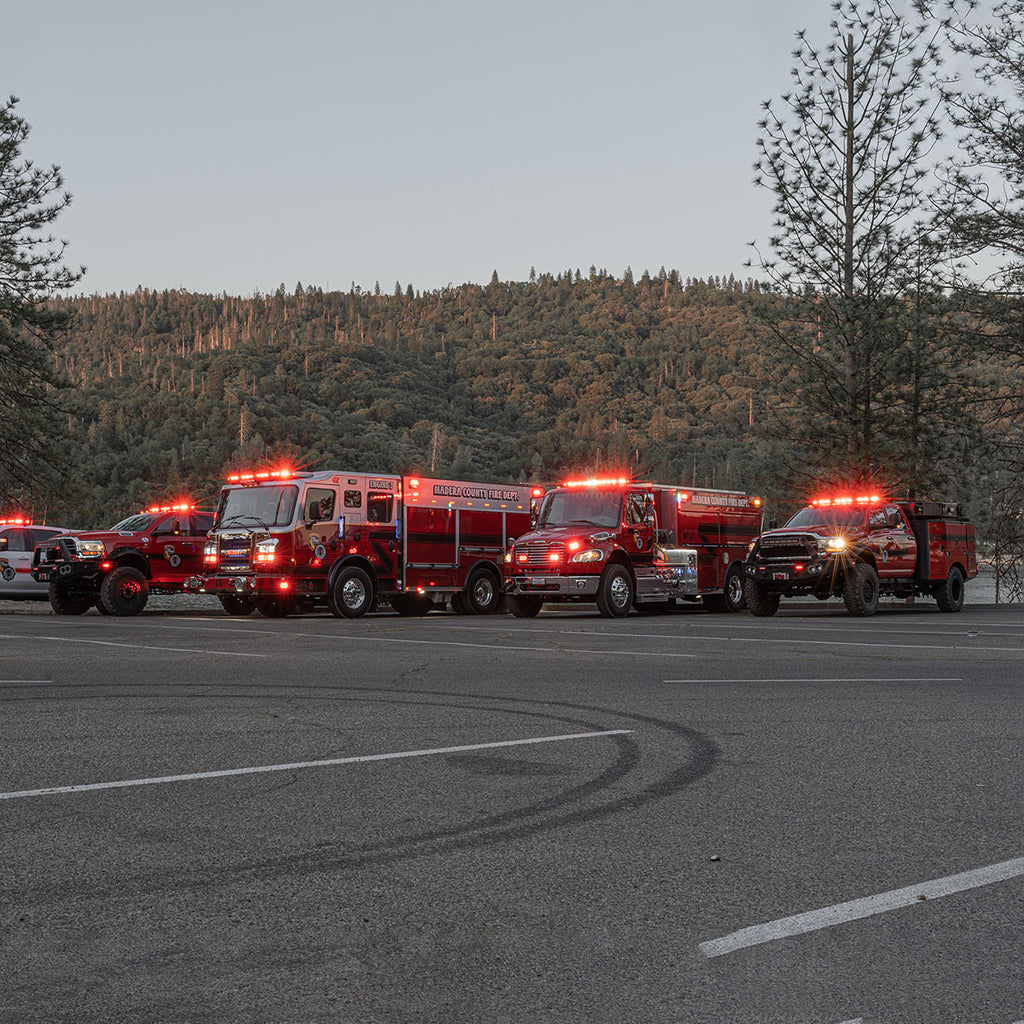
Scene lighting is used to illuminate work zones, accident scenes, treatment areas, and equipment staging zones. In these environments, even light distribution and sufficient ground illumination are far more important than headline lumen numbers.
Evaluating scene lights using LUX allows emergency response teams to determine
- How evenly light is spread across the scene
- Whether shadows are minimized
- How much usable light reaches the ground
- Performance at realistic mounting heights
A scene light with lower lumens but higher and more consistent LUX across the work area will outperform a higher lumen light with poor optical discipline.

Why LUX Matters for Spot Lights and Long Range Illumination
Spot lights are designed to project light forward and identify hazards, terrain, or objects at distance. Lumens alone do not indicate how far a light will actually be effective.
LUX measurements at distance provide real insight into
- Beam reach and usable range
- Target clarity at distance
- Optical efficiency
- How well light is concentrated
A focused beam with strong LUX at distance improves visibility without blinding nearby operators or wasting energy.
How TOMAR Approaches Light Measurement and Optical Performance
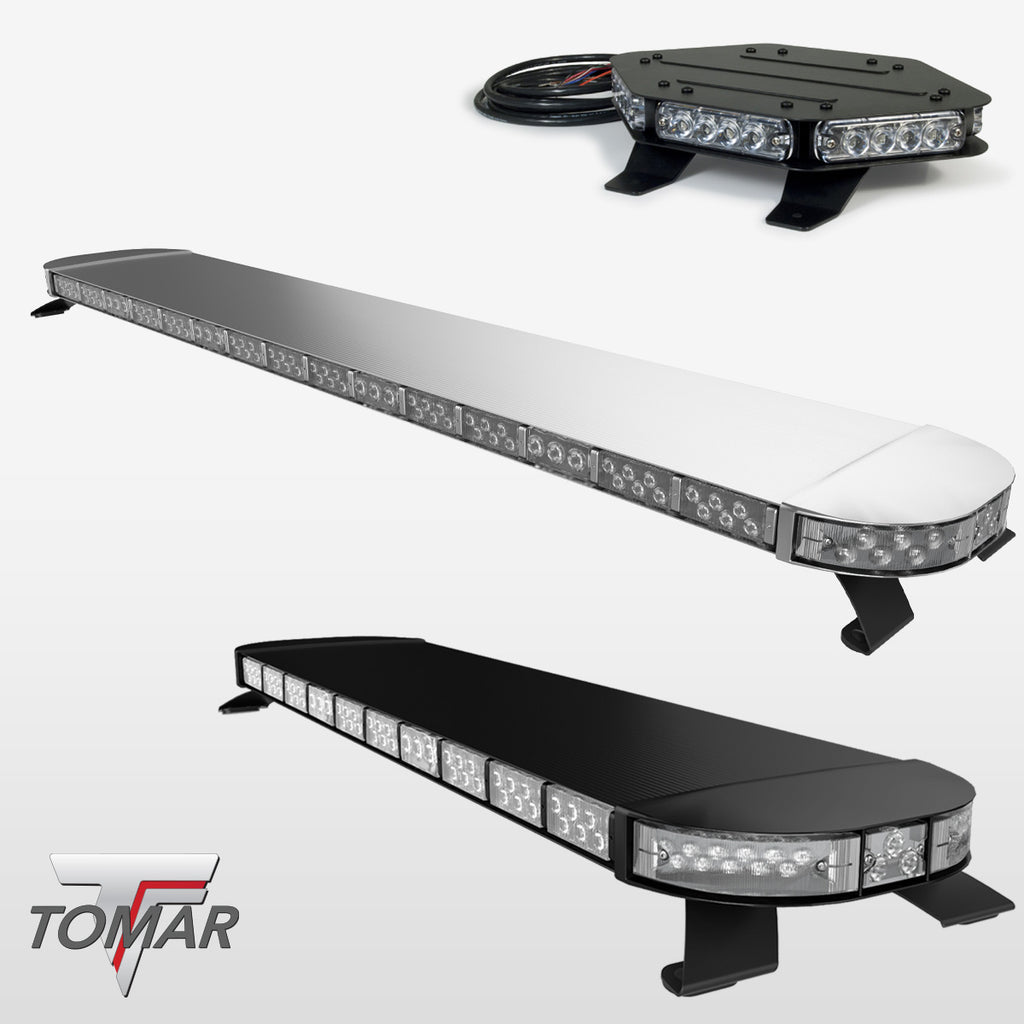
TOMAR Electronics designs LED lightbars and lamps with a focus on usable performance rather than inflated specifications. TOMAR emphasizes optical efficiency and real world illumination metrics that align with how lights are actually used in the field.
By prioritizing disciplined optics and meaningful measurement methods, TOMAR engineers ensure that spot lights and scene lights deliver practical illumination where operators need it most. This approach supports safer operations, clearer visibility, and more reliable performance across demanding applications.
Measure What Matters
Lumens tell you how much light is produced. LUX tells you how well that light is used.
When evaluating spot lights and scene lights, relying solely on lumen ratings can lead to poor real world performance, excessive glare, and inefficient lighting systems. LUX measurement provides a clearer picture of how effectively a lamp illuminates a task area, scene, or target at distance.
By focusing on LUX and optical discipline, buyers can make more informed decisions and select lighting solutions that deliver real visibility rather than just impressive numbers.